The Basics
What Is Hood Canal?
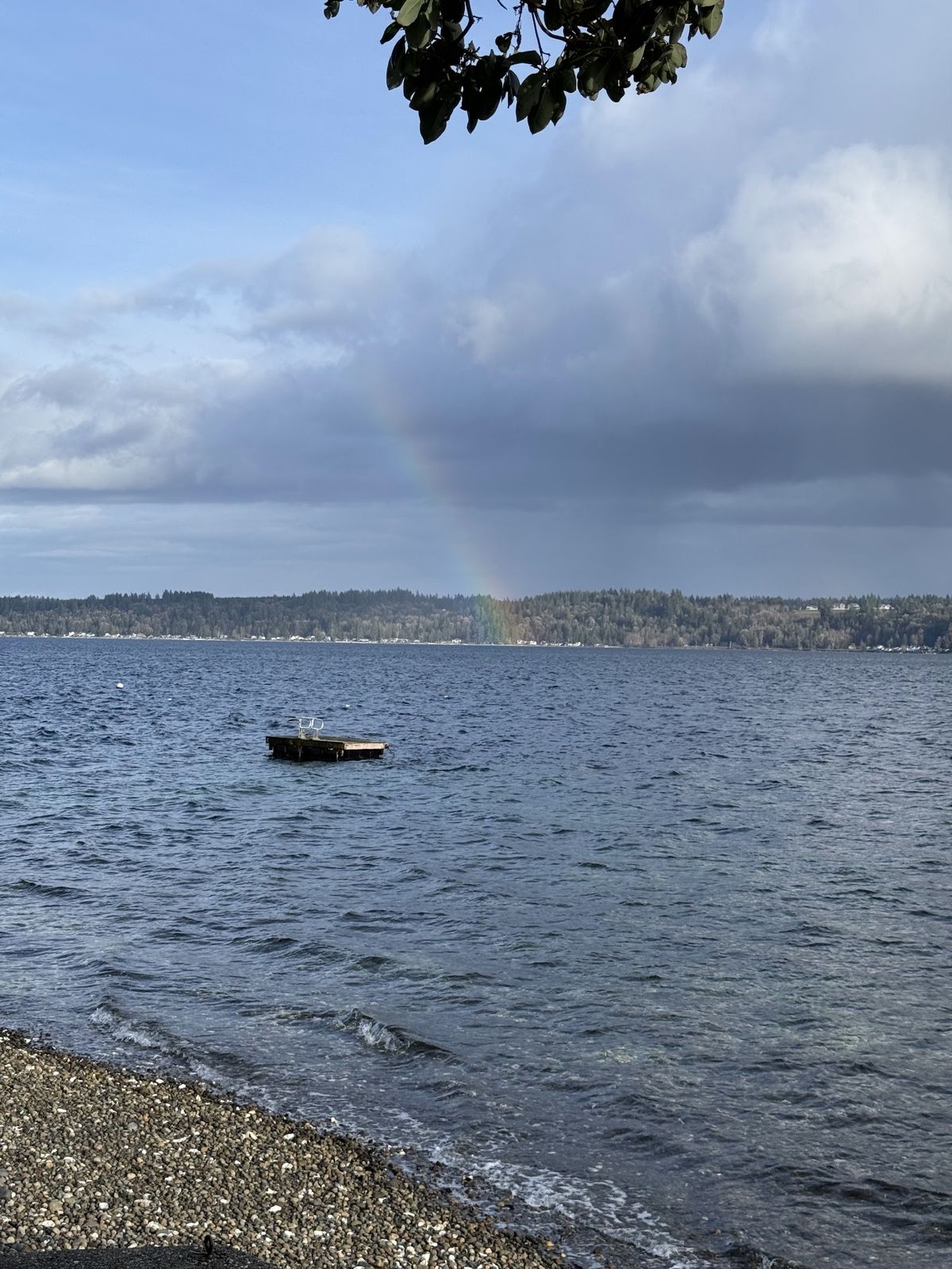
Hood Canal is a natural fjord — not a man-made canal, despite the name — carved by glaciers over 10,000 years ago. It runs 70 miles along the western edge of Puget Sound, separating the Kitsap Peninsula to the east from the Olympic Peninsula and Olympic National Forest to the west. It is one of only two natural fjords in the contiguous United States.
The canal averages about a mile wide and reaches depths of over 300 feet. The waters are exceptionally clean and cold, which is why the oysters, clams, and shrimp grown here are among the best in the world. The surrounding landscape alternates between dense old-growth forest, steep mountain terrain (the Olympic Mountains rise immediately to the west), river estuaries, and small waterfront towns that have barely changed in 50 years.
From Seattle
90 Minutes Away
For Seattle residents, Hood Canal sits in a sweet spot: far enough to feel like a real escape (about 90 minutes to 2 hours depending on where along the canal you're headed), close enough that a long weekend is plenty. The drive itself — across the Tacoma Narrows or via the Kingston ferry — is part of the experience.
Highway 101 traces the western shore of the canal the entire way, passing oyster farms, state parks, waterfront diners, and the occasional bald eagle. It's the kind of drive where you find yourself pulling over not because you planned to, but because the view made it impossible not to.
The Food
Oysters, Shrimp & Salmon
Hood Canal is one of the most productive shellfish environments in the world. The combination of clean, cold water, nutrient-rich tidal flows, and minimal development has created ideal conditions for Pacific oysters, Manila clams, Dungeness crab, Hood Canal spot prawns, and wild salmon. The fifth-generation Hama Hama Oyster Company has been farming the same stretch of canal since 1922. Their oysters — and the tidelands experience at their Oyster Saloon — are a reason to make the trip on their own.
Start Exploring